
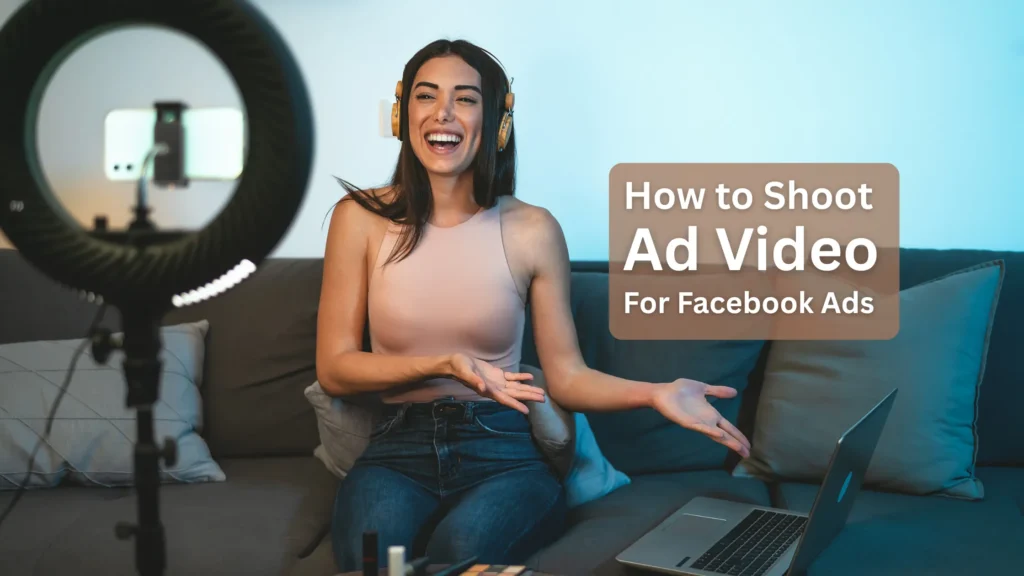
Most Facebook ad videos don’t fail during editing. They fail before the camera is even turned on.
Not because of lighting. Not because of camera quality.
Not because of confidence.
They fail because the message is unclear.
When the thinking is misaligned, the video becomes an attempt to compensate.
When the thinking is clear, even a simple phone video works.
This is not a production problem.
It is a clarity problem.
And like most marketing problems, it begins in thinking.
Let’s start from there.
If this idea feels familiar, it connects directly to:
- Why Marketing Problems Begin in Thinking
- Why Funnels Don’t Fix Marketing, They Reveal It
Why video works (and why most people misunderstand it)
Video does not outperform images because it is more engaging.
It outperforms because it reduces ambiguity.
In a few seconds, video communicates:
- tone
- intent
- emotional energy
- trust signals
People don’t evaluate your offer logically first. They feel something first, then justify it later.
This is why:
- a simple, imperfect video can outperform a polished ad
- a casual explanation can convert better than a scripted pitch
Because clarity expressed through a human creates trust faster than production ever can.
Before you shoot: the real question
Most guides ask:
“What camera should you use?”
A better question is:
“What exactly are you trying to say, and to whom?”
If that is not clear, no setup will fix it.
Before recording, define:
- Who is this for (specific, not broad)
- What are they already struggling with
- What have they already tried
- What do they believe right now
- What small shift are you introducing
If this feels hard, that’s not a writing issue.
That’s positioning.
(I have already explored this deeply in The Hidden Cost of Partial Clarity in Marketing )
The mindset shift that changes everything
You are not creating an ad.
You are entering a conversation that is already happening in someone’s mind.
Most ad videos fail because they:
- try to impress
- try to perform
- try to sound “right”
Instead, the goal is simpler:
Speak to one person, about one real problem, in a way that feels natural.
That is what makes a video feel human.
Why people look unnatural on camera
This is rarely a confidence issue. It is a self-awareness issue.
When you use the front camera, you start observing yourself:
how you look
how you sound
how you are coming across
This creates internal noise. That noise interrupts clarity.
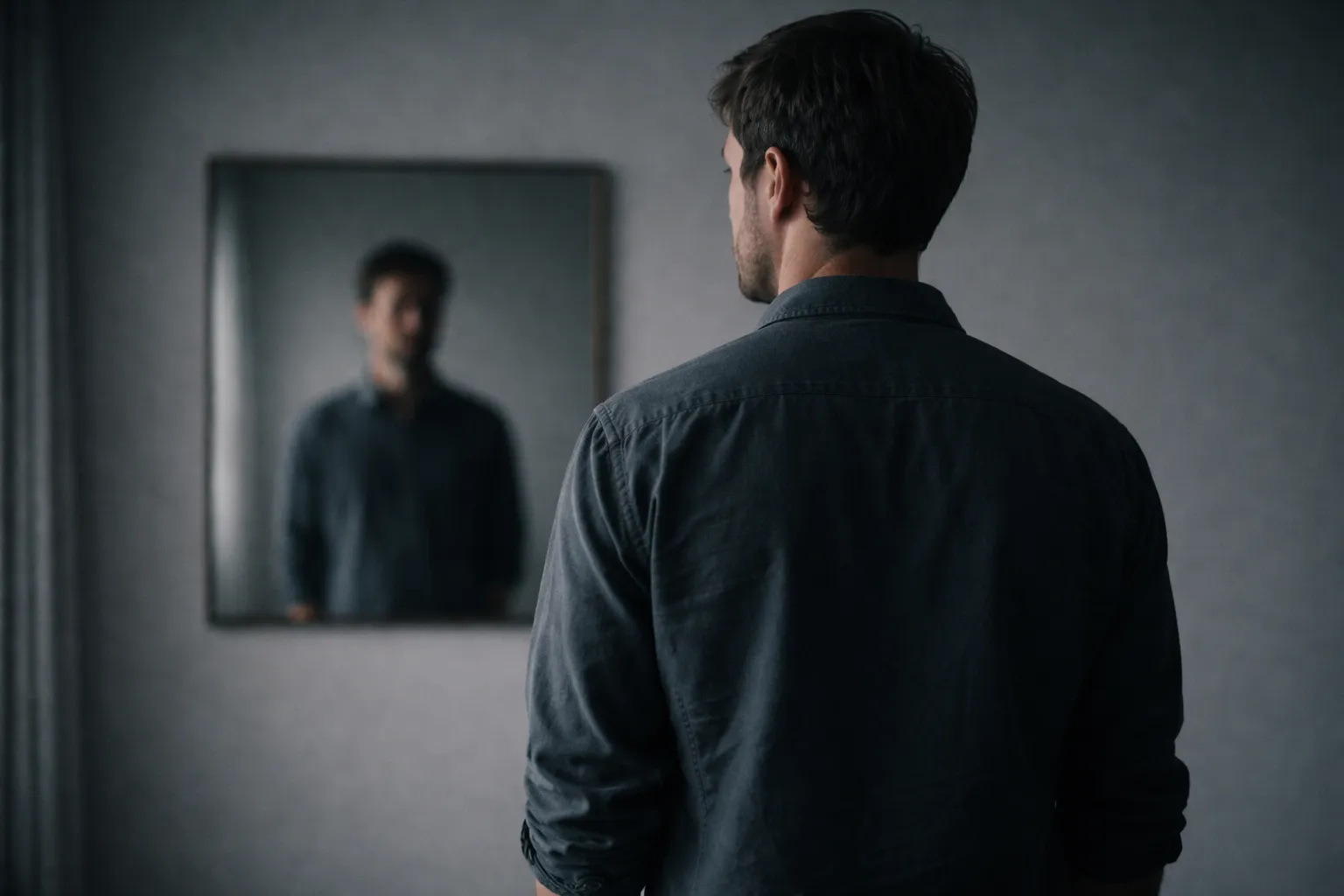
- Use the back camera.
- Remove your reflection.
- Let the message lead, not your self-image.
The difference is subtle, but it directly affects how the viewer experiences you.
Equipment (and why it matters less than you think)
You don’t need better gear.
You need fewer distractions between your thinking and your expression.
A smartphone is enough.
Focus on:
- stable framing
- clear audio
- clean lens
Optional tools like microphones or lights only amplify clarity.
They cannot create it.
Lighting is not about aesthetics
Lighting affects perception. Poor lighting creates friction:
- harder to see
- harder to focus
- lower perceived trust
Good lighting removes that friction. Natural light works best:
- face a window
- avoid harsh backlight
- keep shadows soft
The goal is not to look cinematic.
The goal is to be easy to watch.
Where you shoot matters more than how it looks
Your environment is a signal. A clean background says:
- clarity
- intention
- focus
A relevant background adds context:
- coach → gym
- retreat leader → nature
- consultant → workspace
But clutter creates cognitive load.
And cognitive load reduces attention.
How long should your video be?
Length is not the constraint.
Clarity is.
For cold audiences:
- 20–45 seconds works well
For warm audiences:
- longer is fine if the message holds attention
The real mistake is trying to say too much.
One video → one idea.
Structure (without turning it into a formula)
You don’t need frameworks. You need flow.
A simple progression works:
- call out something they already feel
- reflect the problem in their language
- introduce a new way of seeing it
- guide them to a next step
But this is not a script.
It is a thinking sequence.
Why scripts make videos worse
Scripts optimize for correctness. But ads don’t win because they are correct.
They win because they feel real.
Instead of writing scripts:
- write bullet points
- speak naturally
- allow pauses
- allow imperfection
Because:
People don’t connect with polished delivery
They connect with recognizable truth
Eye contact is not a small detail
Looking at the lens creates direct connection.
Looking at the screen creates distance.
It’s subtle, but the viewer feels it immediately.
Sound quality is trust
People will tolerate average visuals.
They won’t tolerate unclear audio.
Because effort to understand = drop in attention.
- record in a quiet space
- speak slightly slower
- prioritize clarity over speed
Why captions matter
Most videos are watched without sound.
Captions ensure:
- message lands anyway
- key ideas are reinforced
- retention improves
But don’t transcribe everything.
Highlight meaning, not words.
What kind of videos actually work
Not “high-quality” videos. Clear ones.
Content that works:
- problem-aware insights
- simple reframes
- short stories
- common mistakes explained
What doesn’t work:
- feature-heavy explanations
- generic advice
- trying to sound impressive
Because:
People are not looking for information
They are looking for recognition
Testing (what it really means)
Most people think testing is about:
- hooks
- variations
- performance
But testing doesn’t create winning ads. It reveals where thinking is unclear.

If people drop early:
- the problem wasn’t sharp enough
If people don’t click:
- the shift wasn’t compelling enough
If comments show confusion:
- articulation is weak
Testing is feedback on clarity.
(Not a shortcut to avoid it.)
Common mistakes (seen differently)
- Overthinking → trying to compensate for unclear message
- Waiting for perfection → avoiding exposure to feedback
- Copying others → borrowing execution without alignment
- Talking about yourself → ignoring the viewer’s context
All of these trace back to the same root: misalignment before execution
What video performance is actually showing
Video doesn’t fail at the level it is edited. It reflects what is understood before it is recorded.
That becomes visible across three layers:
Thinking Layer
Why Marketing Problems Begin in Thinking
Articulation Layer
Why Positioning Clarifies Execution
Signal Layer
Why Most Marketing Dashboards Create More Confusion Than Clarity
Video doesn’t create clarity.
It compresses it and reveals whether it exists.
What This Actually Means
Better videos don’t come from better shooting. They come from clearer thinking.
If thinking is vague, videos feel scattered.
If articulation is weak, nothing lands.
And if meaning is unclear, performance drops. That is why video doesn’t fail on screen.
It fails before recording begins.