

Good thinking reduces risk. It doesn’t eliminate it.
That’s an uncomfortable thing to admit, especially after spending an entire article showing how mastery produced Apple’s App Store, Dropbox’s referral programme, Facebook’s mobile pivot, Instagram’s Stories, and Netflix’s password crackdown.
But honesty requires the other side of that coin too.
Some of the most well reasoned strategic bets in recent business history still failed.
Not because the thinking was borrowed or lazy, the way Tactic Culture produces failure.
These were genuine, deep reads of a market or a moment. And they still didn’t compound!
Understanding why matters, because it tells you something a highlight reel of successes never will: what mastery can protect you from, and what it can’t.
Microsoft Band: The Right Thesis, the Wrong Middle Ground
Microsoft’s entry into wearables in 2014 wasn’t a copycat move.
It came from a specific strategic thesis, health and fitness data was going to become a major platform battleground, and Microsoft wanted a foothold in collecting it, feeding into a broader Microsoft Health service built on Azure.
The reasoning held up. Health platforms did become significant. What Microsoft got wrong was the product itself.
The Band tried to be more than a simple fitness tracker but less than a full smartwatch, landing in an uncomfortable middle ground.
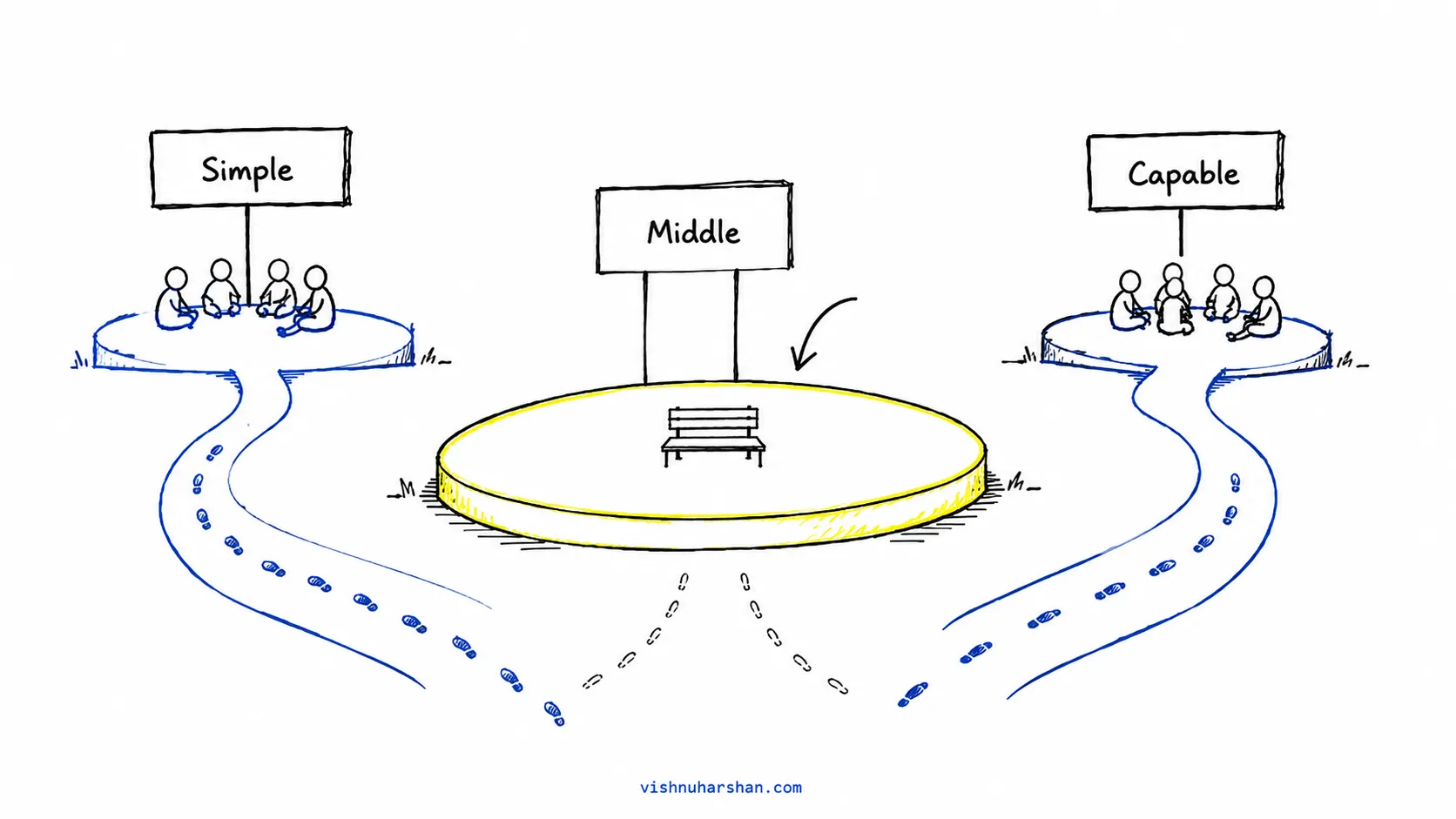
It was priced above basic trackers like Fitbit but couldn’t match the functionality of an Apple Watch.
Consumers, given a clear choice between cheaper and simpler or more expensive and more capable, chose almost anything but the middle.
By 2016, Microsoft had quietly discontinued the Band, redirecting its strategic energy into the software platform instead, the part of the original thesis that actually held.
Amazon Fire Phone: A Sound Ecosystem Bet, Undone by Execution
Amazon’s Fire Phone, launched in 2014, came from a real strategic read.
Amazon was losing significant revenue to Apple and Google through their app stores, and wanted a hardware foothold that would tie customers more tightly into Amazon’s own ecosystem, Prime, Kindle, one click shopping.
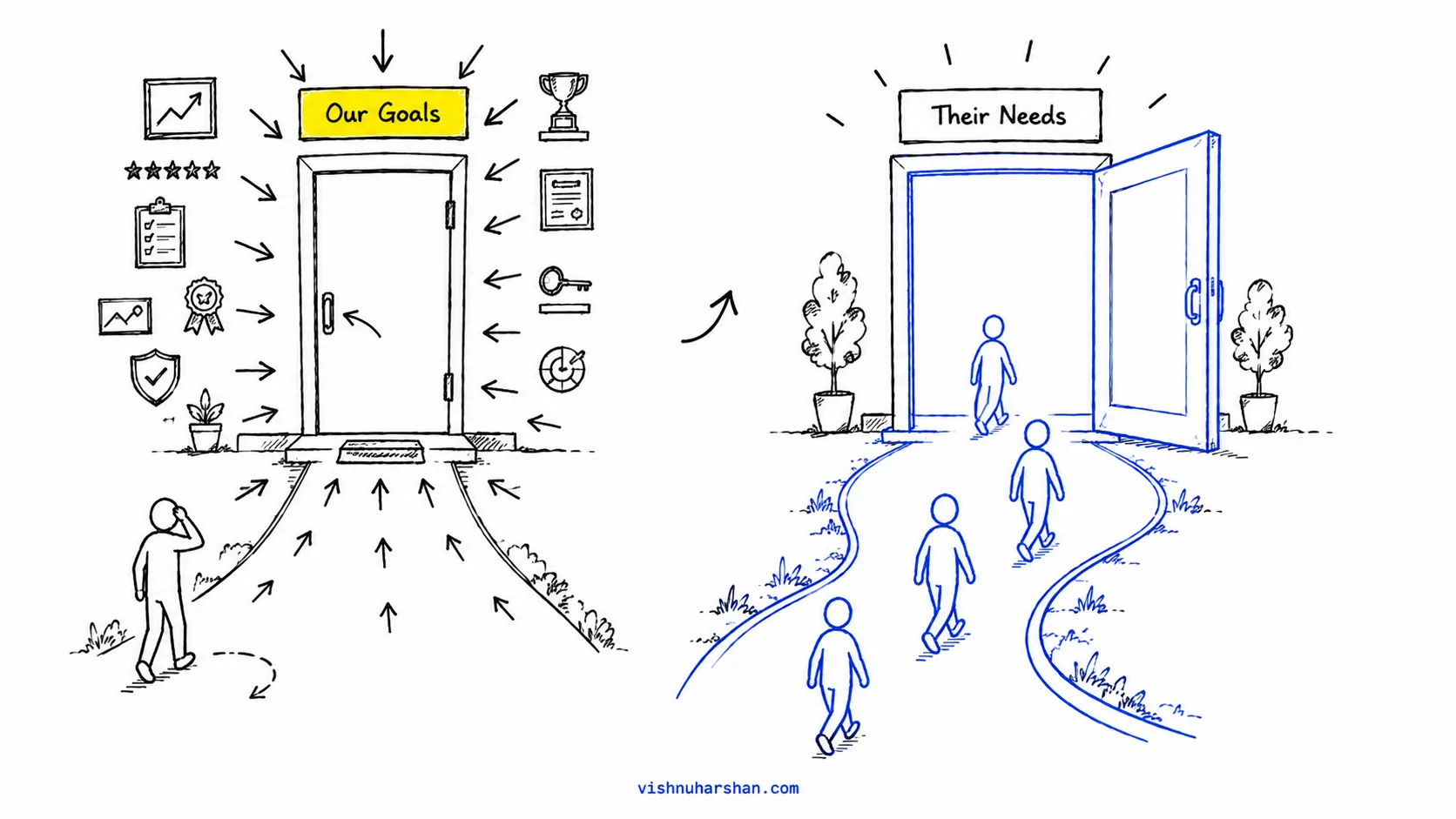
The strategic logic wasn’t the problem. The execution was!
Jeff Bezos personally drove a feature called Dynamic Perspective, a 3D display using four front facing cameras to track user movement, a technically impressive feature that Amazon’s own design team struggled to find a genuine use for beyond novelty.
The phone launched at a premium price point that clashed with Amazon’s own brand identity, built on affordability.
It was locked to a single carrier, restricting its reach.
And its most useful feature for Amazon, Firefly, which let users scan and instantly purchase products, served Amazon’s commercial interests far more than it served the buyer’s daily needs.
Amazon took a $170 million write-down and discontinued the phone within a year.
Bezos later joked that if people thought Fire Phone was a big failure, the company was working on much bigger ones.
The strategic thesis, build hardware that deepens ecosystem lock-in, wasn’t wrong.
It simply wasn’t built around what phone buyers actually wanted from a phone.
Amazon seemed to recognise this quickly!
Its next major hardware moves, the Echo and successive Kindle Fire tablets, returned firmly to affordable, mass market pricing, closer to the positioning that had always defined the brand.
Google+: The Right Threat, No Real Differentiation
Google’s decision to build a serious social network wasn’t paranoia without cause.
By 2011, Facebook was capturing an increasing share of both user attention and advertising revenue that Google had reason to see as a genuine long term threat to its own business.
The problem wasn’t the decision to respond.
It was what Google built in response. Google+ mirrored Facebook’s structure closely, feed, profiles, photos, without offering a genuinely differentiated reason to switch.
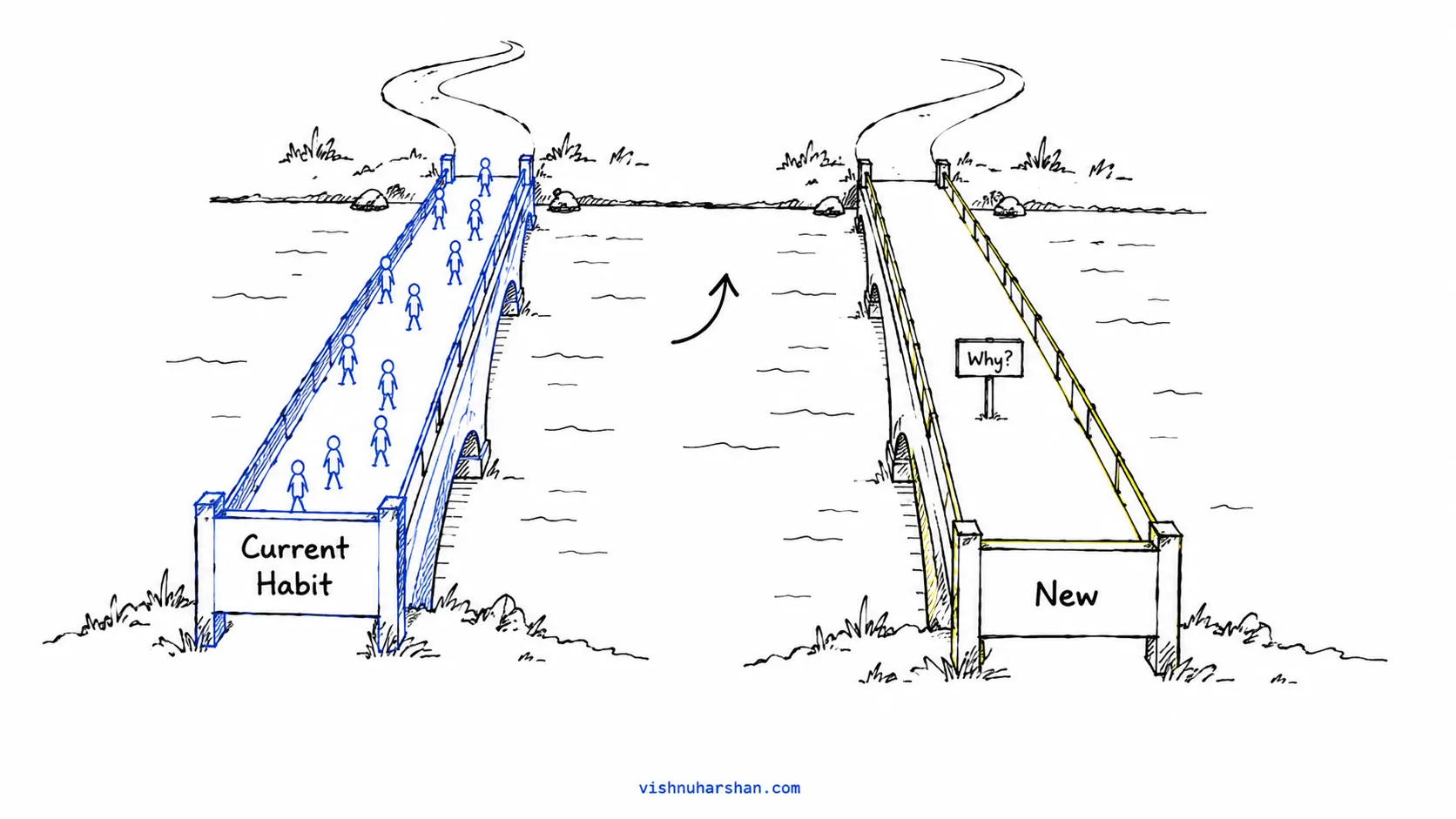
It lacked what strategists call a wedge, a specific, narrow use case sharp enough to pull users away from an entrenched incumbent, the way Instagram had mobile photo sharing or Snapchat had ephemeral messaging.
Google also forced adoption in ways that frustrated users, automatically creating Google+ profiles for anyone with a Gmail account, integrating it heavily with YouTube and other products.
Ninety percent of sessions lasted less than five seconds. By 2019, following a data exposure that affected millions of accounts, Google shut the consumer product down entirely.
The threat Google identified was real.
The response lacked the one thing that makes a challenger viable against an entrenched incumbent: a specific, sharp reason to switch.
Instagram TV: Correctly Reading the Threat, Failing to Win the Behaviour
By 2018, Instagram had every reason to take long form video seriously.
YouTube dominated it, and the broader shift toward video consumption on mobile was unmistakable.
Launching IGTV, a dedicated space and standalone app for longer vertical video, was a reasonable strategic response to a real and growing threat.
The execution ran into a harder problem: behaviour.
Instagram tried to seed the platform by recruiting major creators and celebrities, hoping their existing audiences would follow.
But many of those same creators barely used the feature themselves, some posting only a handful of videos, others none at all.
Without genuine creator enthusiasm, audience interest never materialised. At most, only 7 million of Instagram’s over one billion users ever downloaded the standalone app.
Instagram eventually folded IGTV back into the main app in 2020, and shut the standalone app down entirely by 2022, redirecting that same long form video instinct into Reels instead, a format that, unlike IGTV, matched how people were actually already behaving on the platform.
The read on the threat was accurate.
The specific format chosen to answer it asked users and creators to change their behaviour in a way they simply weren’t willing to.
Google Glass: The Right Idea, a Decade Too Early
Google Glass, unveiled in 2012, was built on a thesis that has since been vindicated: ambient, wearable computing, information delivered at a glance without pulling out a phone, would eventually become a meaningful interface paradigm.
That thesis is exactly what’s now driving renewed interest in smart glasses, including products like Meta’s Ray Ban line, more than a decade later.
What Google underestimated wasn’t the technology. It was the social terrain the technology would have to survive in.

Google Glass, unveiled in 2012, was built on a thesis that has since been vindicated: ambient, wearable computing, information delivered at a glance without pulling out a phone, would eventually become a meaningful interface paradigm.
That thesis is exactly what’s now driving renewed interest in smart glasses, including products like Meta’s Ray Ban line, more than a decade later.
What Google underestimated wasn’t the technology. It was the social terrain the technology would have to survive in.
Glass wearers were called “Glassholes” in the media.
Its built-in camera, positioned inconspicuously and always potentially recording, provoked genuine privacy concerns and was banned in many bars, restaurants, and other public spaces.
Wearing a $1,500 headset device in public required a level of social risk-tolerance that only a narrow slice of early adopters had.
Meanwhile, its actual day-to-day usefulness for the average consumer was limited enough that most people didn’t have a compelling reason to accept that social risk in the first place.
Google discontinued the consumer version in 2015. The strategic thesis wasn’t wrong.
It was just proposed to a culture that wasn’t ready to accept it yet, at a price and design that didn’t help ease that transition!
What These Five Have in Common
None of these were Tactic Culture failures.
Nobody was borrowing a random template or chasing a trend without understanding their own business.
In every case, a real, specific strategic read was present, a genuine market shift, a real competitive threat, a real technological thesis that either had already proven true or later would.
What failed wasn’t the thinking.
It was one of a small number of specific things sitting downstream of the thinking.
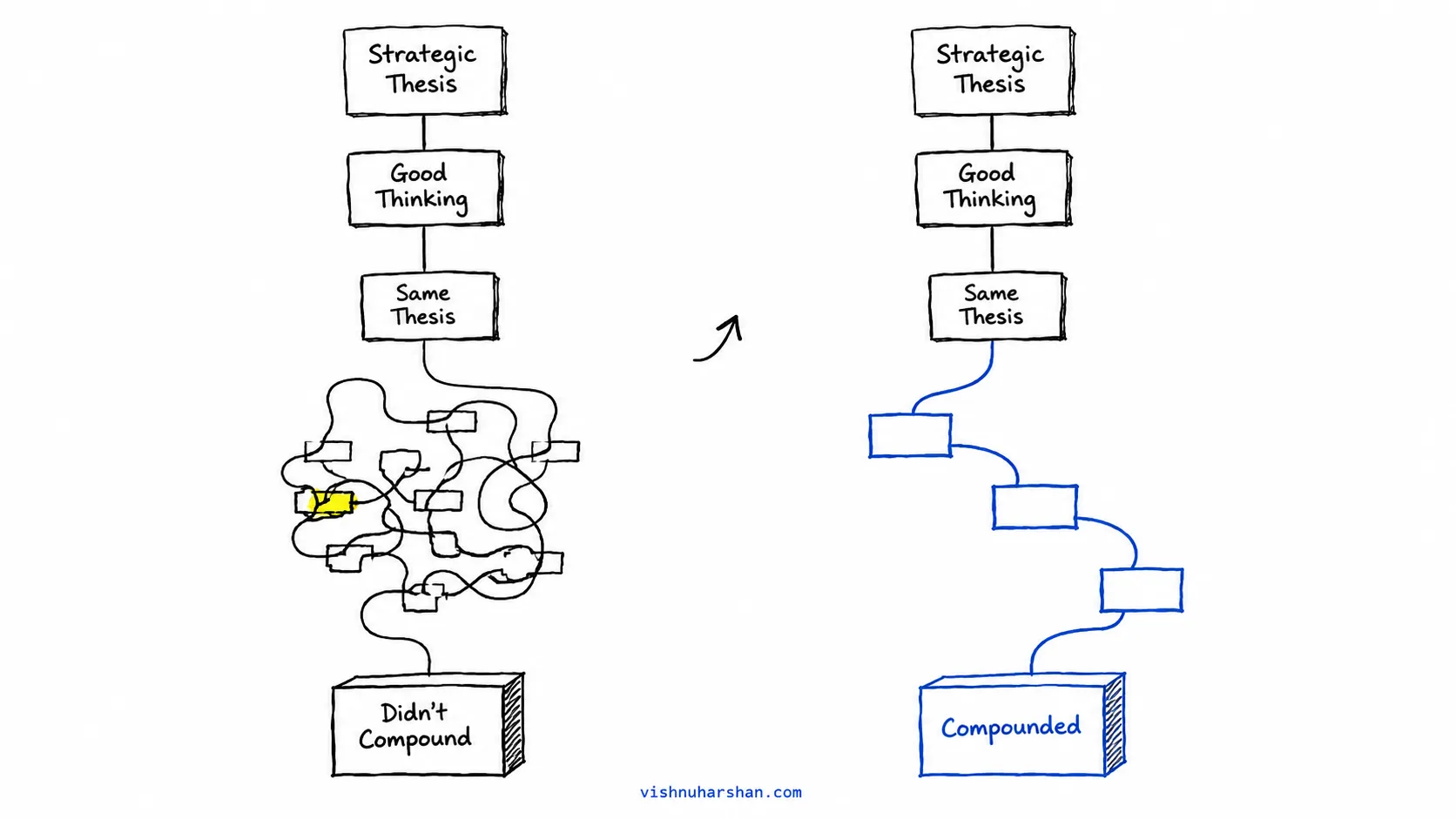
A product positioned in a confused middle ground nobody wanted. A sound strategy executed around the company’s interests rather than the customer’s.
A real threat met with an undifferentiated response. A correct read of a shift that still asked people to change behaviour they weren’t willing to change. A thesis that was right, just years ahead of the culture required to accept it.
This is the honest complement to mastery. Deep understanding of your market dramatically improves your odds.
It does not guarantee the outcome.
Execution, timing, and the willingness of real people to change real behaviour all sit outside what even the sharpest strategic thinking can fully control.
What This Means for How You Read Every Success Story
This is also why the diagnostic questions matter as much for evaluating a success as they do for evaluating a failure.
A single case study, including the five strategic wins covered in the previous article, tells you a strategic move worked once, under a specific set of conditions.
It doesn’t tell you what percentage of equally well-reasoned strategic bets, at Apple, at Netflix, anywhere, quietly failed and never became a headline.
This is the same mechanism behind the Law of Truly Large Numbers, across enough attempts, at enough companies, a standout success was always going to happen somewhere.
The five wins are real. They are also not the whole picture of how many similarly well reasoned bets those same companies made and quietly lost.
Mastery is still the better bet. Every one of these five failures still came from companies with the same discipline of understanding their own market deeply, and that discipline shows up in what happened next.
Amazon didn’t stop taking hardware risks, it went on to build the Echo.
Instagram didn’t abandon long form video’s underlying insight, it found the right format for it in Reels. Google didn’t abandon the wearable computing thesis, it’s still being pursued today, under better conditions.
Mastery doesn’t promise the first bet lands.
It builds the discipline to keep reading the market accurately enough that eventually, one does.
If This Resonated, These Are Worth Reading Next
What Thinking That Compounds Actually Looks Like at Scale: Five strategic moves built on the same kind of mastery that worked.
Tactic Culture: Why Your Marketing Never Compounds: The different, more common failure mode, borrowed thinking that never had a real strategic foundation to begin with.
The Two Reasons Why You Keep Falling for Other People’s Results: Why a single visible result, success or failure, rarely tells you the full picture.
